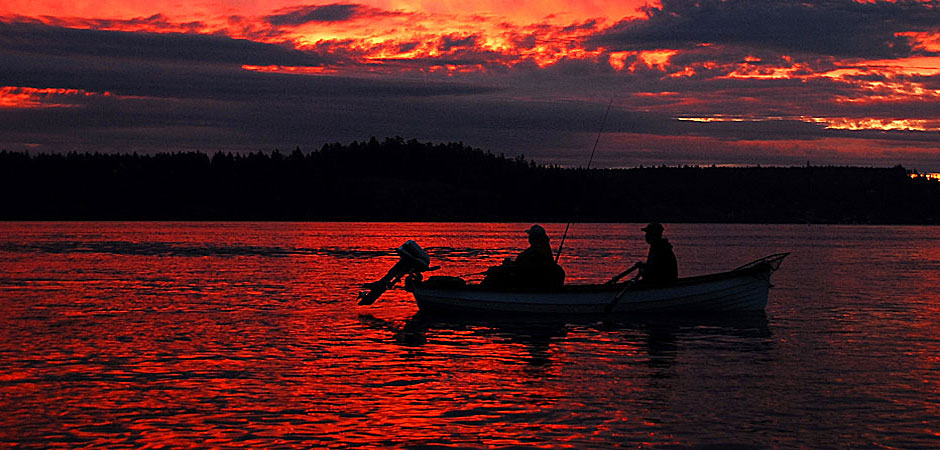
Good pictures can come from preparation, context and respect for the people, wildlife and fish involved.
Prepare the camera on land
Know the basic controls before the outing and protect equipment appropriately for the conditions. Choose a manageable setup you can store securely. Ask the operator about suitable places to stand and where equipment should be kept. A complicated camera arrangement can be a poor fit for a small working space if it repeatedly distracts from the briefing or the activity.
Make the subjects broader
A coastal day offers water, landscape, equipment details and the people travelling together. Ask before photographing or publishing identifiable people. Do not let a desire for a particular catch photograph influence a retention decision or create extra handling time. For wildlife, follow current official requirements and use suitable viewing equipment rather than trying to reduce the distance.
Caption the result honestly
Describe where and when an image was made at an appropriate level of detail. Do not publish another person’s personal information or sensitive location without good reason and permission where appropriate. If an image is historical or illustrative, say so. A photograph can be a memory without becoming a claim about current facilities, conditions or guaranteed results.
Your practical checklist
- Practise controls before boarding.
- Store equipment securely and follow the briefing.
- Put suitable handling and wildlife rules first.
- Ask before publishing identifiable people.
The next useful decision
Let the photographs support the outing rather than determine it. Some moments are better enjoyed without adding another task.
Sources & further reading
Primary references for the principles and context discussed here. Use current official guidance and appropriate local assessment for your actual outing.
Published 30 October 2026 · Archers Fishing Editorial. Prepared with AI assistance. Examples are hypothetical. Read our editorial policy or report a correction.